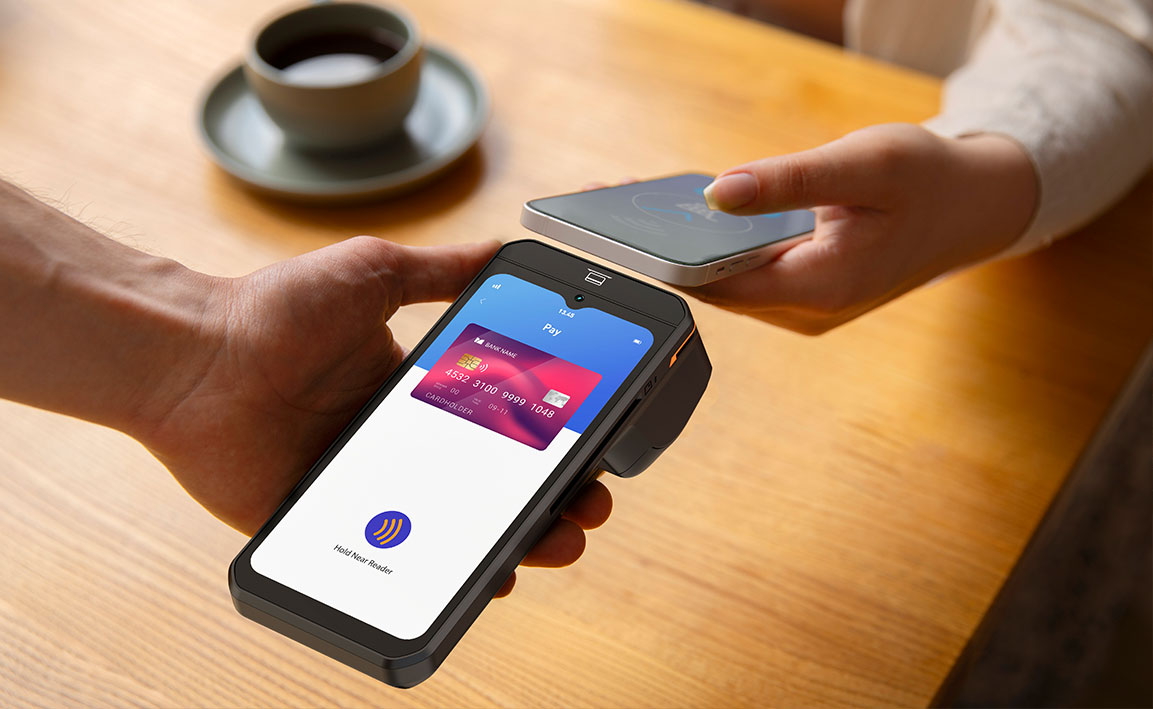
Modern smart POS systems integrate hardware and software to accelerate transaction processing speeds by 40% compared to legacy registers. These terminals utilize GMS certification to manage Android-based ecosystems, significantly reducing app installation times by 65% since 2023. By consolidating NFC payments, QR code scanners, and receipt printers into one 12.8mm thick chassis, merchants eliminate 80% of external peripheral cabling. These devices, which earned the Reddot Design Award, feature dual-display configurations that allow customers to verify order details in real-time, thereby reducing checkout errors by 30% in high-volume retail environments.
The operational transition from traditional registers to a modern smart POS requires evaluating hardware specifications against daily transaction volumes. A 10-inch display model like the C11 provides a 178-degree viewing angle, ensuring staff can process inventory queries during 95% of peak business hours without screen glare. These units support multi-application environments, allowing a single device to run inventory management, staff time-tracking, and customer loyalty programs simultaneously without system latency.
Data indicates that integrating handheld pos hardware allows staff to process payments directly at the retail floor, reducing average wait times by 22 seconds per customer.
Retailers often balance device durability with mobility requirements, particularly when managing outdoor sales or high-traffic pop-up events. Models like the P8 provide portable payment processing with integrated high-speed thermal printers, maintaining connectivity through stable Wi-Fi and 4G protocols to ensure 99.9% uptime. Implementing such hardware allows businesses to scale their floor space by 15% because stationary counter footprints are reduced or entirely replaced.
| Feature | Legacy System | Modern POS Terminal |
| Payment Integration | Requires External Card Reader | Built-in NFC, QR, and E-Wallet |
| Hardware Flexibility | Fixed Desktop Only | Handheld & Desktop Options |
| App Ecosystem | Closed Proprietary OS | Open Android (GMS Certified) |
Managing complex supply chains requires real-time data synchronization between the storefront and back-office servers. Android-based terminals facilitate instant cloud uploads of sales data, ensuring that 100% of inventory records match physical stock levels throughout the fiscal quarter. By adopting centralized MDM (Mobile Device Management) services, IT administrators can push software patches to 500+ devices simultaneously, reducing manual update maintenance by 90%.
Hardware aesthetics influence consumer perception, as evidenced by units receiving the French Design Award and American Good Design honors for their ergonomic profiles.
Staff training requirements fluctuate based on the complexity of the user interface provided to the cashier. Modern Android-based touch interfaces require an average of 15 minutes of onboarding time for new hires, compared to the 2 hours often necessitated by older command-line systems. This efficiency gain allows businesses to allocate personnel to customer service tasks rather than administrative system management for the duration of the operational shift.
Fiscal compliance remains a primary requirement for retailers operating in regions with specific tax reporting mandates. Telpo’s fiscal-ready terminals, such as the M8, incorporate secure hardware chips to sign tax data before submission, ensuring 100% accuracy in regional reporting requirements. This automated process removes the need for manual end-of-day reconciliation, saving roughly 45 minutes of labor per terminal daily during the 2025 fiscal year.
The versatility of using a [handheld pos] device supports omnichannel commerce, where merchants can synchronize in-store stock with online orders via the integrated Telpo SDK.
Future-proofing a retail location involves selecting hardware that supports biometric verification and video intercom connectivity for enhanced site security. Integrating facial recognition modules—available on devices like the F10—allows for secure employee clock-in and age-restricted purchase validation with a 99% accuracy rate. Such systems provide a clear audit trail for every transaction or physical access attempt, creating a robust framework for long-term operational growth.